It’s almost never one event .
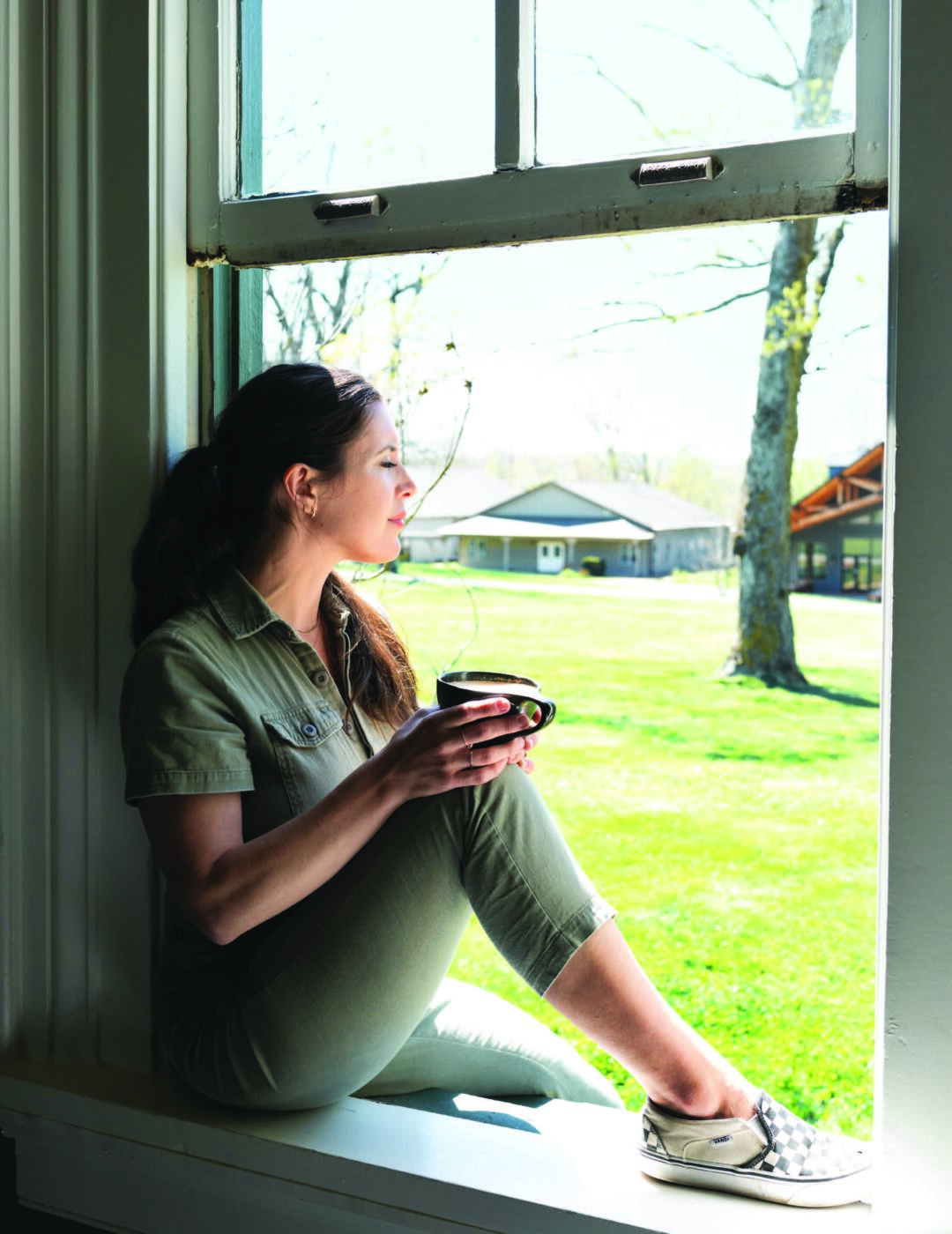

You’re not fighting. You’re not in crisis. You just pass each other in the kitchen, split the calendar, and go to bed at different times. Somewhere along the way, the relationship started running like a well-managed household instead of a partnership.
If you’re asking why this happened, here’s the short answer: it’s almost never one event. It’s usually the slow buildup of small moments that went unnoticed, countless tiny reaches for each other that quietly stopped landing.
What Actually Causes That “Roommate” Feeling
Every day, partners send each other small signals, also known as bids for connection, without realizing it: a sigh from the next room, a hand reaching for yours in the car, a text about something small that happened that day. None of it is really about the content. A comment about the weather can just as easily mean, “Notice me for a second”.
What happens next matters more than people think. There are 3 common responses people give to a partner’s bid for connection. First, your partner can acknowledge and engage in the moment, even briefly and imperfectly. Second, they can miss the bid entirely, too distracted or tired to catch it. And finally, they could meet the reach with irritation and frustration, which over time can teach the other person to stop trying.
Research, from The Gottman Institute, on long-term couples has found that the ones whose relationships stayed strong caught these small moments the majority of the time. The couples who eventually separated caught them far less often, closer to one in three. The gap wasn’t dramatic day to day; it was a pattern that compounded over years.
That’s the piece worth sitting with: no single missed moment breaks a relationship. It’s what happens when missing them becomes the default instead of the exception. Over time, partners stop reaching as often, because some part of them has learned not to expect a response. The relationship rarely gets louder or angrier. Instead, it tends to get quieter, until logistics are about all that’s left and the reaching has mostly stopped.
That “quiet” is what people are describing when they say they feel like roommates.
This Isn’t About Who’s to Blame
It’s tempting to turn this into a scorecard: who initiates less, who’s on their phone more, who used to try harder.
Try to resist that.
Almost every long-term couple goes through stretches where these small moments get missed on both sides, often without either person meaning for it to happen. Life happens: jobs get demanding, kids arrive, grief spills over, exhaustion sets in, and connection is often the first thing quietly deprioritized, not because it stopped mattering but because everything else got louder.
The more useful question isn’t “What’s wrong with my partner?” or “What’s wrong with me?” It’s “What’s been happening between us?” and whether either of you has actually said that out loud yet.

What to Notice This Week
You don’t need a framework to start paying attention differently. Working towards connection and repair in these small moments isn’t as difficult as it may seem.
Start here: for a few days, notice the small moments where your partner seems to be reaching for something – a bit of attention, a laugh, a reaction, a hand. Don’t do anything with it yet. Just notice how often it’s happening, and how often you’re catching it versus letting it pass.
Then notice your own. What are small ways you try to connect that you’re not sure your partner even recognizes as an attempt?
Most people who complete this exercise are surprised by both answers.
Where This Actually Goes
Noticing the pattern is the first step, and it’s a real one. Most couples never get this far, because the disconnect feels too vague to name and too small to bring up. But noticing a pattern and knowing what to do with it, together, in real time, are two different skills.
There’s a whole vocabulary for what’s happening in these small moments and bids for connection, and once you have it, you start seeing your relationship differently. It’s one of the first things we teach inside Coupleship. The module in Coupleship teaches how to make your own reaching more visible, catch your partner’s more reliably, and rebuild the moments that quietly disappeared over the years is relational work. The repair is easier to do with guidance than to figure out alone at 9 p.m. on a Tuesday.
That’s the work at the center of a weekend like Coupleship. It’s not built for relationships in crisis, and it’s not built to hand you a fix. Coupleship is built as focused, guided time to understand what’s actually happening between you and your partner, including the small moments neither of you has known how to name, connect with one another in honest conversation, and practice new tools before you leave to reenter the daily rhythm of life with a clearer sense of where to go from here.
You don’t have to wait until the distance turns into something bigger to take it seriously.
Feeling like roommates is information. What you do with that information is up to you.