You can care about people and still have boundaries. You can value connection and still need space. And you can participate in the holidays without participating in everything.
The holidays are the perfect time to get together, to celebrate, and spend time with the people you love. They can also bring a whole host of expectations: attend every gathering, keep everyone happy, answer all the personal questions, make time for all the traditions, and somehow fit it all into a season that is already ridiculously busy.
For many, it can make the holidays utterly overwhelming. The family, the relationships, the pressure to do the right thing for everyone can make it very difficult to work out what you actually need.
So how do you set boundaries with family at the holidays without feeling guilty?
Start by thinking about your own needs. You can say no to an invitation, change a tradition, walk away from a difficult conversation, and make space for some rest. Setting boundaries means communicating what you can and can’t do, and it helps you make more considered decisions about how you spend your time and energy.
This Holiday Season, think of those 11 permission slips as a reminder that your needs do, in fact, belong at the table too.
Why Is It So Hard to Set Boundaries During the Holidays?
Setting boundaries is difficult at any time of year, but the holidays have a way of bringing familiar family dynamics and expectations to the forefront.
You might feel a duty to keep everyone happy, constantly worry about letting anyone down, or stay in a family role you’ve held for years. You may know you need some space, but the thought of saying it out loud can feel like a massive source of guilt.
Some common reasons boundaries can feel especially difficult during the holidays include:
- Family expectations: long-established traditions and the like can make it hard to suggest doing things differently.
- People-pleasing: you might feel responsible for making sure everyone has a good time, even if that means overlooking your own needs.
- Fear of conflict: You may avoid setting boundaries because you’re afraid of how someone will react or of causing conflict.
- Feelings of guilt: Saying no can feel selfish if you’ve always been the kind of person who puts other people’s needs first.
- Old family dynamics: Coming home can bring old family dynamics – the roles, the unspoken feelings, and the way you used to communicate – back in full force.
Recognizing these patterns will go a long way toward helping you understand why certain situations can be so difficult and respond more intentionally.
11 Holiday Permission Slips to Help You Set Boundaries
Sometimes setting boundaries starts with realizing you’re allowed to have them. As you go through the season and all it brings, keep these reminders in mind.
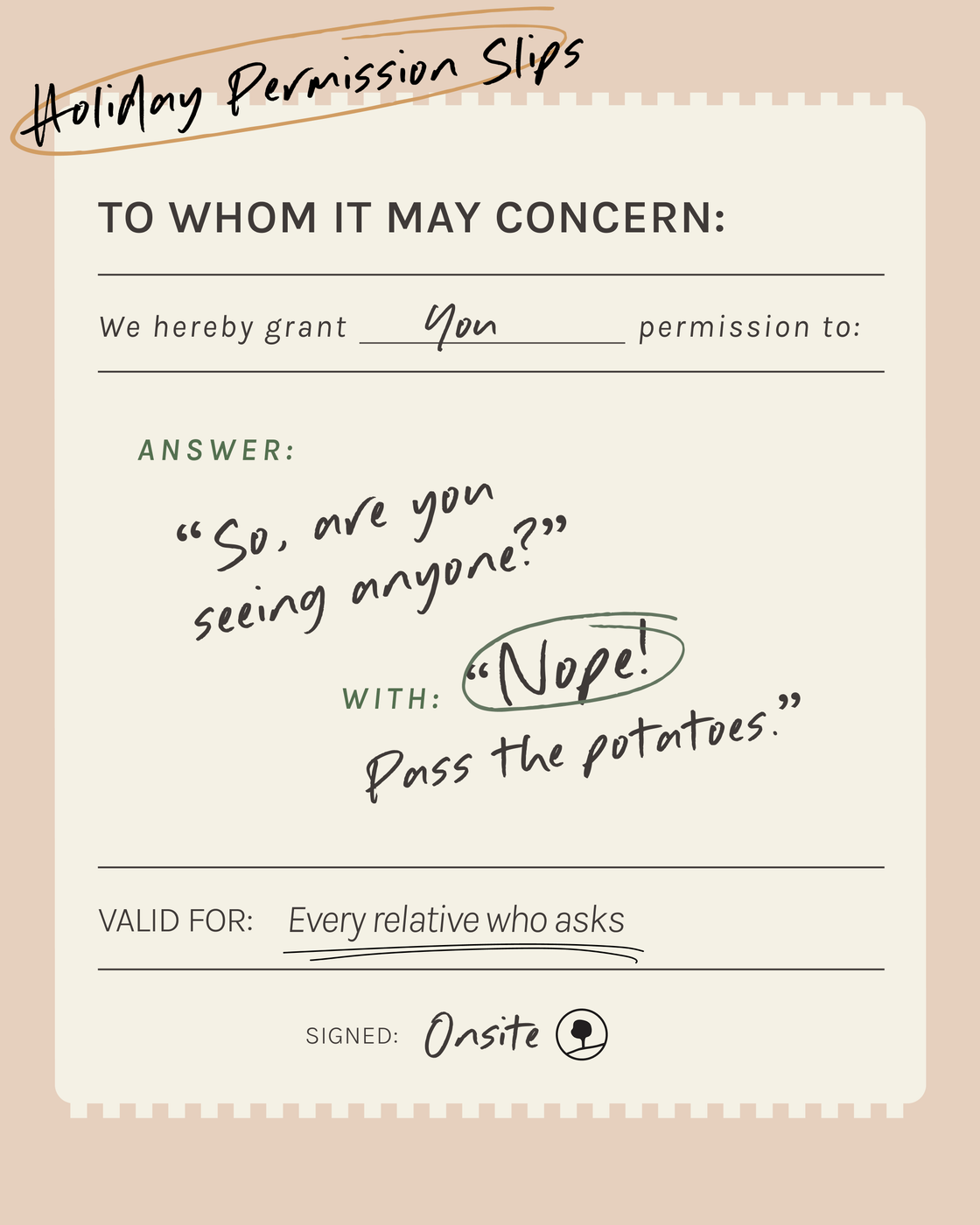
1. Answer “So, are you seeing anyone?” with “Nope!” and pass the potatoes
Some questions seem to make their way to the holiday dinner table every year. You don’t owe anyone a detailed update on your relationship status, and you certainly don’t have to turn dinner into a personal life discussion.
How you can practice: keep your response simple and redirect the conversation. Try “Nope! How have things been with you?” You can be friendly without sharing something you’d rather keep private.
2. Not having a five-year plan figured out by dessert
The holidays can bring out questions about what’s next, where you’re headed, and what you have planned. But you don’t need to have every detail figured out to feel good about where you are today. Give yourself room to grow, change your mind, and figure things out in your own time.
How you can practice: If someone starts asking about your plans, try saying, “I’m still figuring that out, and I’m giving myself time to see where things go.” You don’t need to have an answer ready for every question.
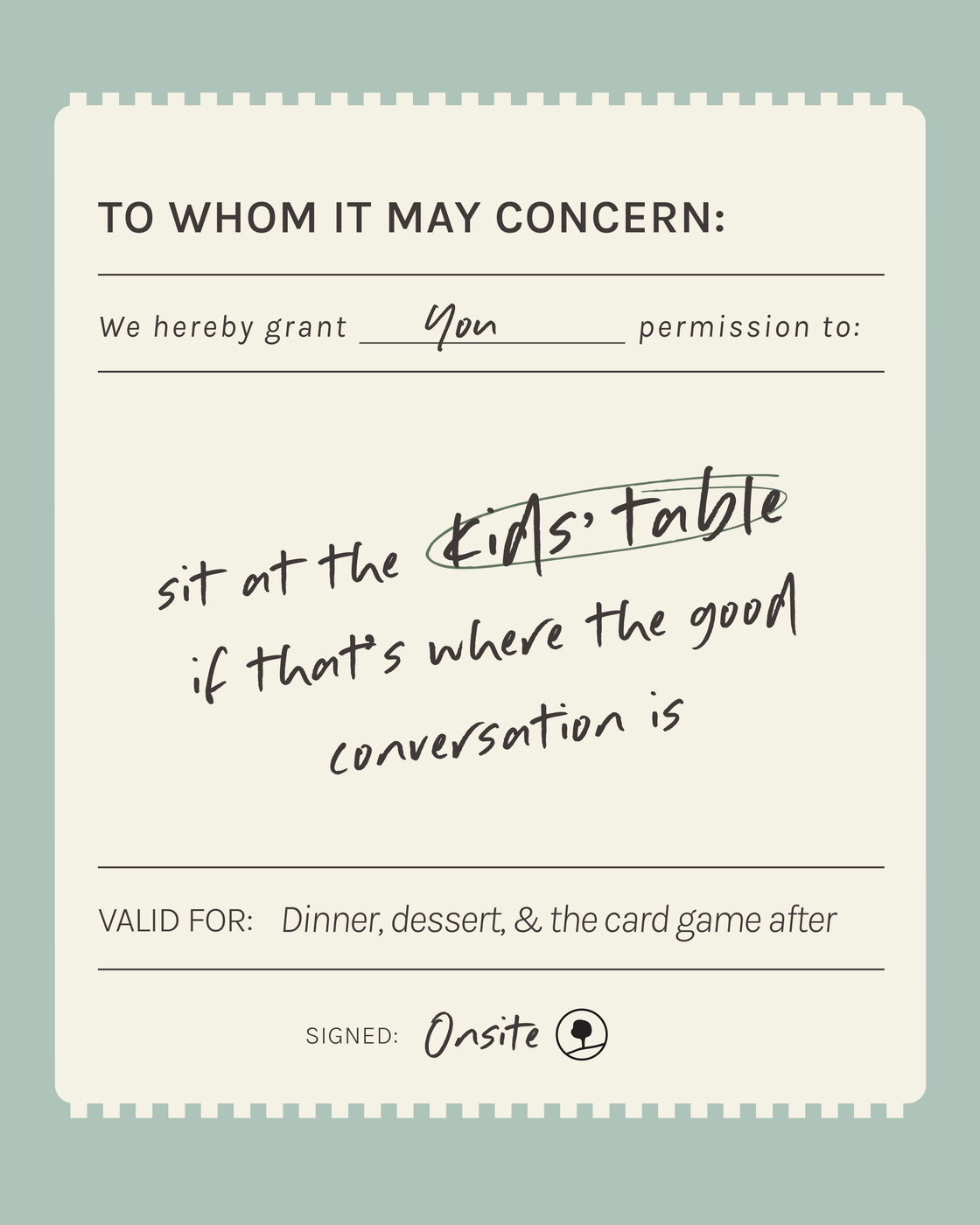
3. Sit at the kids’ table if that’s where the good conversation is
Sometimes the best seat at the table isn’t the one with your name on it. If the kids’ table is where the laughter is happening and the conversation feels a little lighter, pull up a chair. You get to decide where you feel most comfortable.
How you can practice: Pay attention to the environments and conversations that help you feel at ease. Give yourself permission to step away from interactions that leave you feeling uncomfortable or drained.
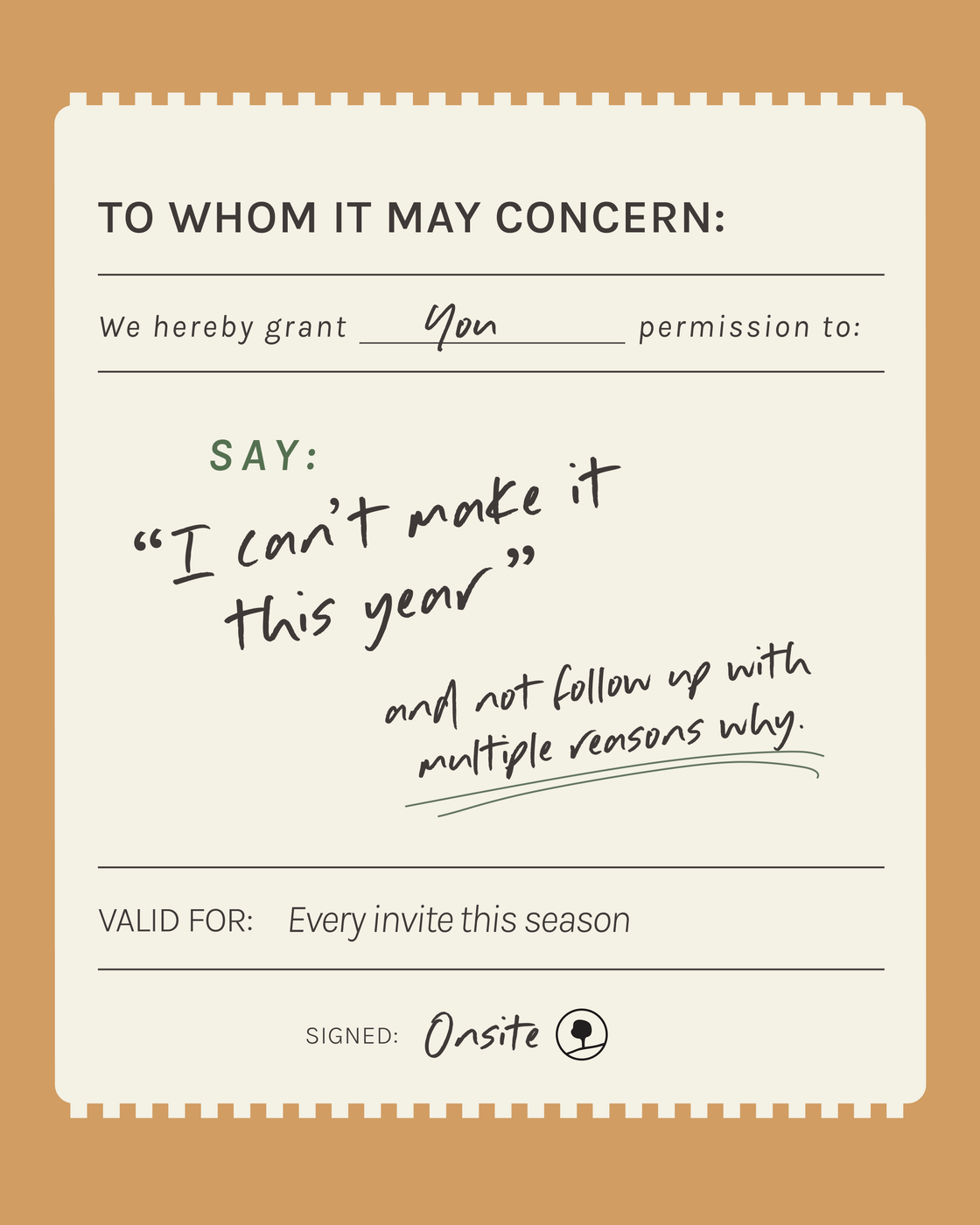
4. Say “I can’t make it this year” without a list of reasons
Declining an invitation can feel uncomfortable, especially when you worry about disappointing someone. But you don’t have to build a case for why you can’t attend. A kind, straightforward response is enough, and you can leave out the extra explanation.
How you can practice: Try, “Thank you for inviting me, but I won’t be able to make it this year. I hope you have a wonderful time!” You can express appreciation for an invitation while still saying no.
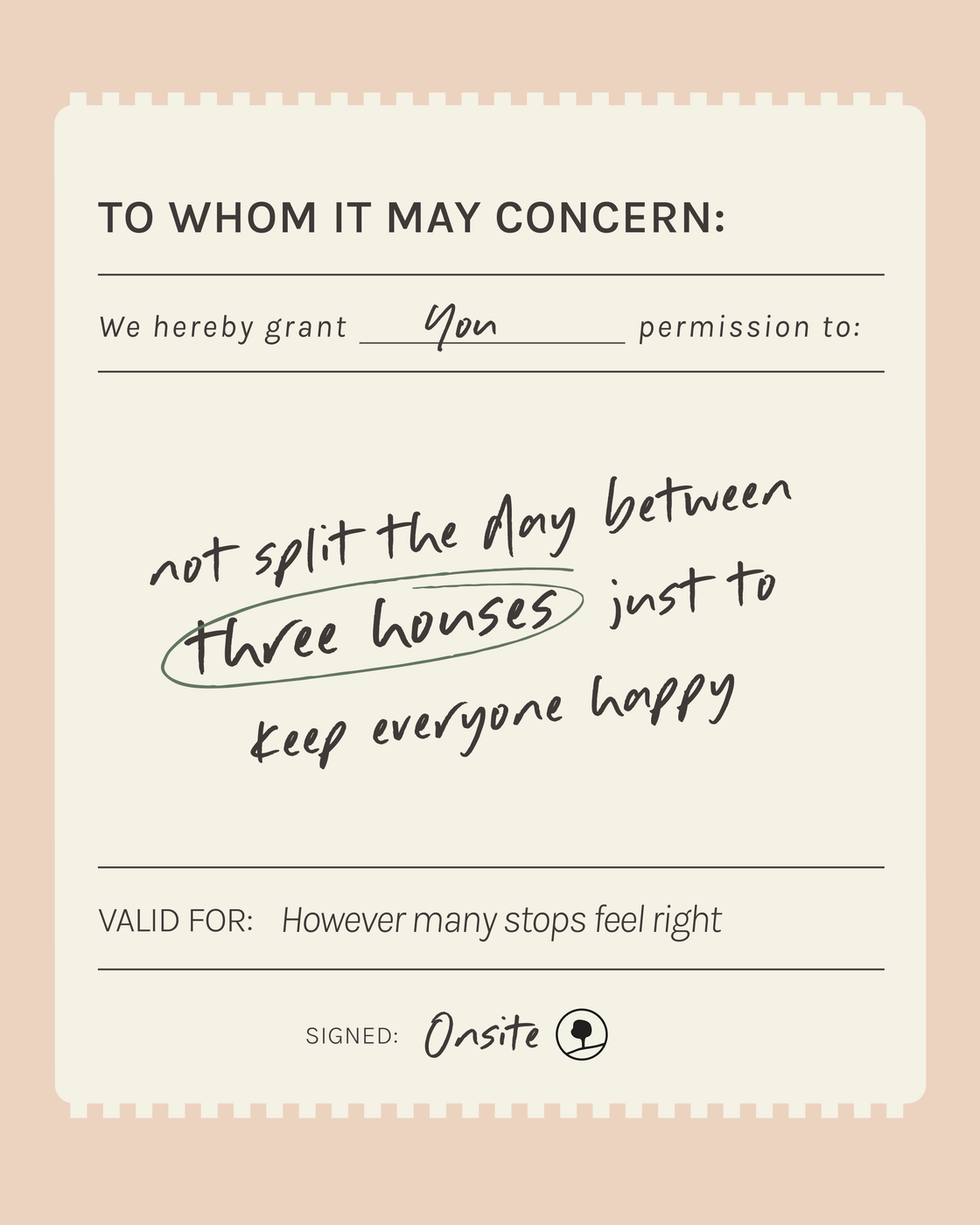
5. Don’t split the day between three houses to keep everyone happy
Trying to make every holiday stop can leave you spending more time in the car than enjoying the people you’re visiting. You can love your family and still recognize that your time and energy have limits. Give yourself permission to make a plan that lets you be present for the moments you choose to share.
How you can practice: Before committing to holiday plans, consider how much time and energy you realistically have. You might say, “We’re going to spend the day at home this year, but we’d love to find another time to get together.”
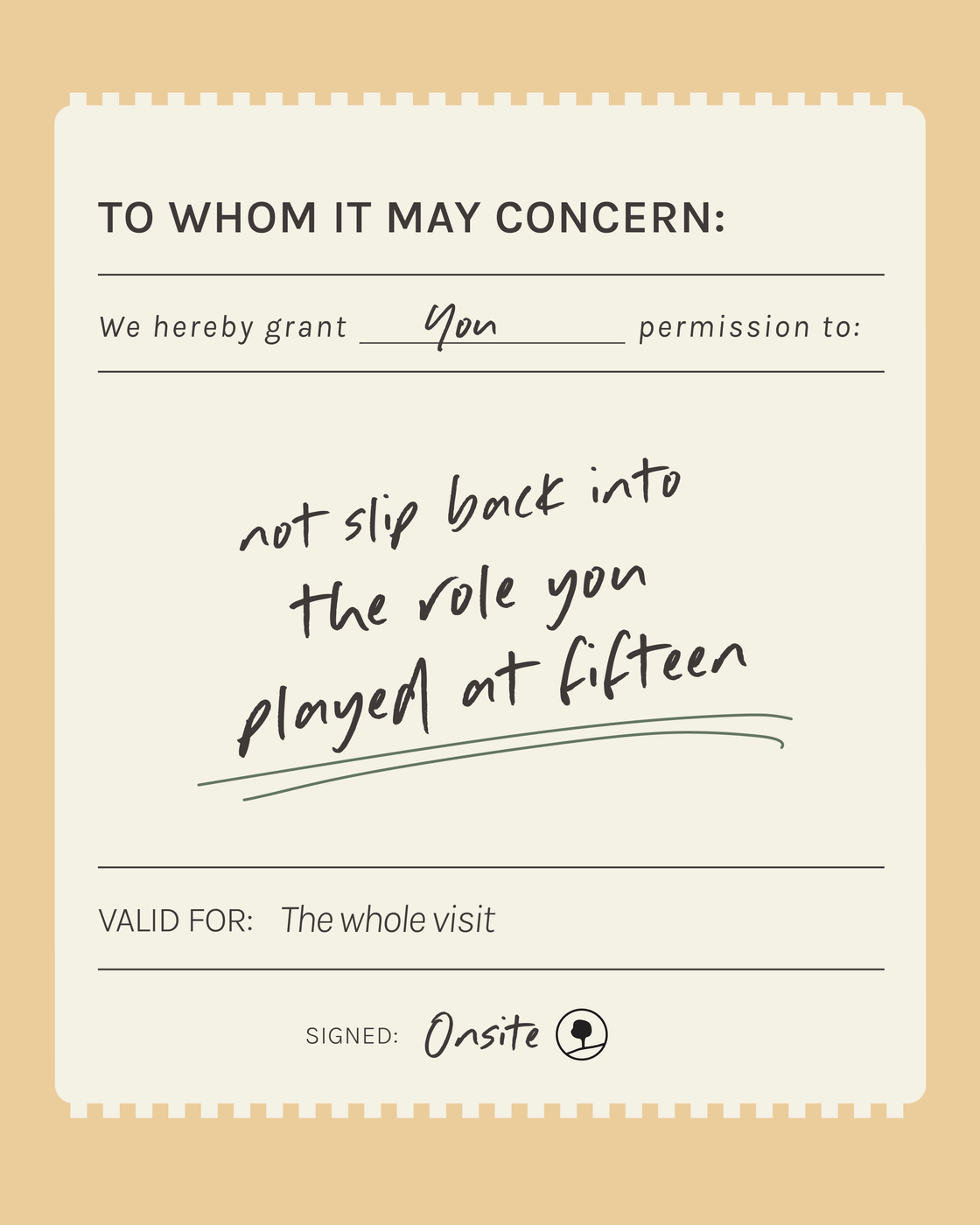
6. Do not slip back into the role you played at 15
Family gatherings can bring familiar dynamics right back to the surface. Maybe you’re used to being the responsible one, the quiet one, the mediator, or the one who never causes a fuss. But you’ve grown since then, and you don’t have to keep playing a part that no longer feels like you.
How you can practice: Notice when you’re falling into an old pattern. If you usually take responsibility for organizing everything or smoothing over disagreements, pause and consider if that’s something you actually want to take on this year.
7. Don’t be the one who keeps the peace this year
When you’re used to smoothing things over, it can be difficult to step back and let other people manage their own feelings. You don’t have to carry responsibility for everyone’s happiness or make every uncomfortable moment disappear. You deserve to enjoy the holiday, too.
How you can practice: If a disagreement starts unfolding, remind yourself that you don’t have to mediate every conversation. You can listen, step away, or allow others to work through their own differences.
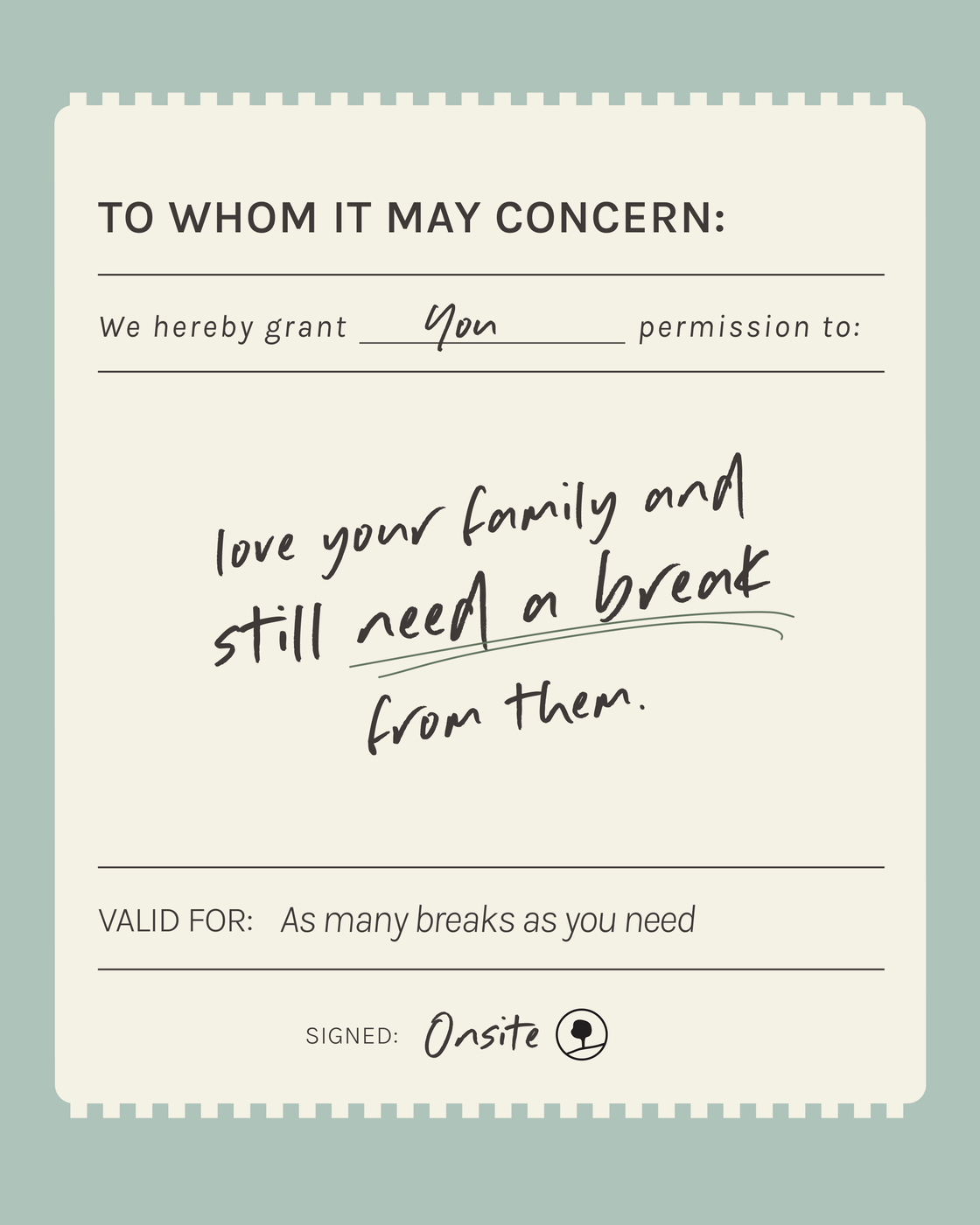
8. Love your family and still need a break from them
minutes to yourself doesn’t take away from the love you have for the people around you. Step outside, find a quiet place, or take a little time to recharge before joining everyone again.
How you can practice: Permit yourself to take a break before you reach your limit. You might say, “I’m going to step outside for a few minutes. I’ll be back shortly.” You don’t need to feel guilty for needing a little space.
9. Miss someone out loud
The holidays can bring the absence of someone you love into sharper focus. You may find yourself missing them in the middle of a familiar tradition or remembering them during a moment of celebration. And when laughter finds its way into the day, you don’t have to feel guilty for enjoying it. Grief and joy can exist alongside one another.
How you can practice: There is no single way to experience grief during the holidays. Give yourself room to remember, share stories, feel your emotions, and enjoy the moments that bring you happiness.
10. Enjoy the good parts
Amid all the planning, expectations, and busy schedules, it’s easy to overlook the little moments that make the holidays special: the familiar stories, the favorite dishes, the laughter around the table. Let yourself slow down enough to notice them.
How you can practice: You don’t have to spend the entire season worrying about what comes next. Give yourself permission to be present and enjoy the moments as they happen.
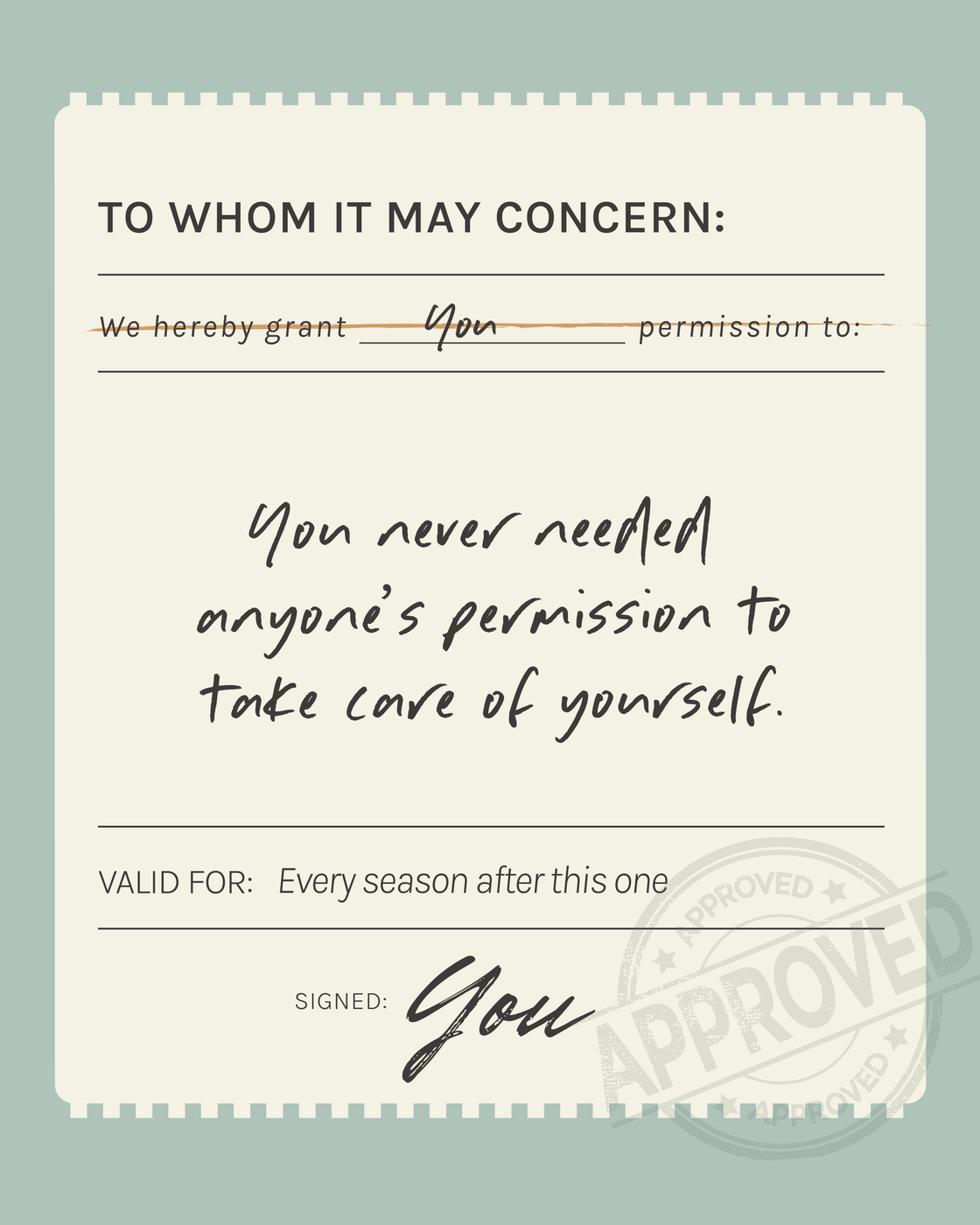
11. You never needed anyone’s permission to take care of yourself
By now, you’ve probably noticed a theme. You can make your own decisions, honor your needs, and choose what feels right for you without waiting for someone else’s approval. These permission slips are simply reminders of something that was yours all along: the ability to choose yourself.




Be Gentle with Yourself
The holidays bring us opportunities to reconnect and create meaningful memories. But meaningful connection also requires space to recognize your own needs. When you feel pressured to meet every expectation, it can be difficult to be fully present.
Setting boundaries can help you approach these moments more intentionally. This could look like spending more time with people who make you feel supported, creating new traditions that reflect your current needs, or giving yourself time to rest between gatherings.
These decisions may take practice, patience, and self-awareness. You may not get every interaction right, and some boundaries may feel more difficult to maintain than others. That’s okay.
We believe that understanding yourself is an important part of building meaningful connections with others. Our Living Centered Program allows individuals the opportunity to slow down, explore the patterns that shape their lives, and deepen their understanding of themselves and their relationships.
You can care about people and still have boundaries. You can value connection and still need space. And you can participate in the holidays without participating in everything.
This season, give yourself permission to show up as your most authentic self and make room for your own needs.